
 Josh Gold
 People of all walks of life begin to learn self-defense for a variety of reasons. Usually they choose to study a martial art. These arts — the majority of which are of Asian origin — offer courses in which students learn the basics of attack and defense to develop fighting skills in the hope that they will be able to prevail or escape if ever they should find themselves in dangerous circumstances.
Among those who go to the trouble of training in a martial art school, some take the risk of being attacked seriously, especially in urban society where violence may lurk in unpredictable places. Surely martial arts practitioners run different scenarios in their minds and imagine what their response would be if confronted with the threat of violence. At the same time, I wonder how many of these same people actually take things one step further, and modify their daily routines and apply strategies to reduce risk factors in their lives.
Let me give an example using driving, a potentially dangerous activity most are involved in on a daily basis. Assume that I am in a situation where I must drive a great deal in heavy traffic to go to and from work. I analyze my driving patterns and decide to vary my route and the times of day I drive to reduce the risk while I am on the road. Maybe I go out of my way to avoid a busy intersection, or leave earlier or later to encounter less traffic. UPS, you may have read, implemented a policy some years ago of minimizing the number of left turns they make on their routes. This results in significant cost savings and also reduces the number of accidents.
 The same strategy can be extended to minimize other driving behaviors such as speeding, tail-gating, rear-end collisions, backing up, etc. In other words, you analyze the activity as a whole, and based on a statistical knowledge of the most dangerous actions, modify your habits to mitigate risk.
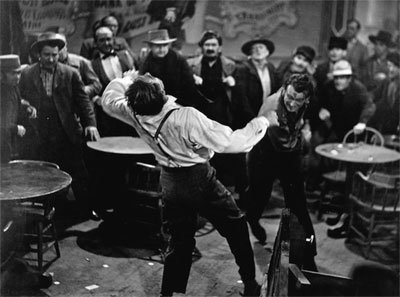
This same strategy of risk minimization can be applied to all aspects of one’s daily life — including naturally self-defense — in order to reduce the probability of finding oneself in a confrontational situation. For example, one might make an effort to be courteous to everyone and suppress the urge to show anger. This could help prevent road rage which takes many lives each year. You could avoid frequenting bars and situations where people drink and behave aggressively. I can’t tell you how many stories I have heard where martial artists speak of their “success” in a bar fight!
To continue in a similar vein, when traveling to an unfamiliar city you could take pains to familiarize oneself with the area around the hotel where you will be staying to avoid dangerous neighborhoods. Or you could find someone who knows the area to accompany you, particularly at night.
You could set up your own home in such a way as to protect your person and possessions if you feel yourself to be in danger. Information on commonsense steps to protect your living space are abundant on the internet. You can even get expert help for free by watching youtube videos.
It would be worthwhile to systematically analyze all key aspects of your life to see where it is possible to reduce risk. Some of the obvious areas that one might focus on are health, work, transportation, finances, government dealings, and the like. In my view, improvement in all of these essential areas of life go hand in hand with the desire to learn self-defense and secure one’s life and property. One could call this approach “risk mitigation”.
The flip side of the coin would be the approach of the “risk taker”. Which are you?





For me, a wonderful thing about aikido is that I practice relaxing when I’m under stress. And stress-related illnesses are one of the biggest dangers we face. Risk mitigation with exercise and friendship included.
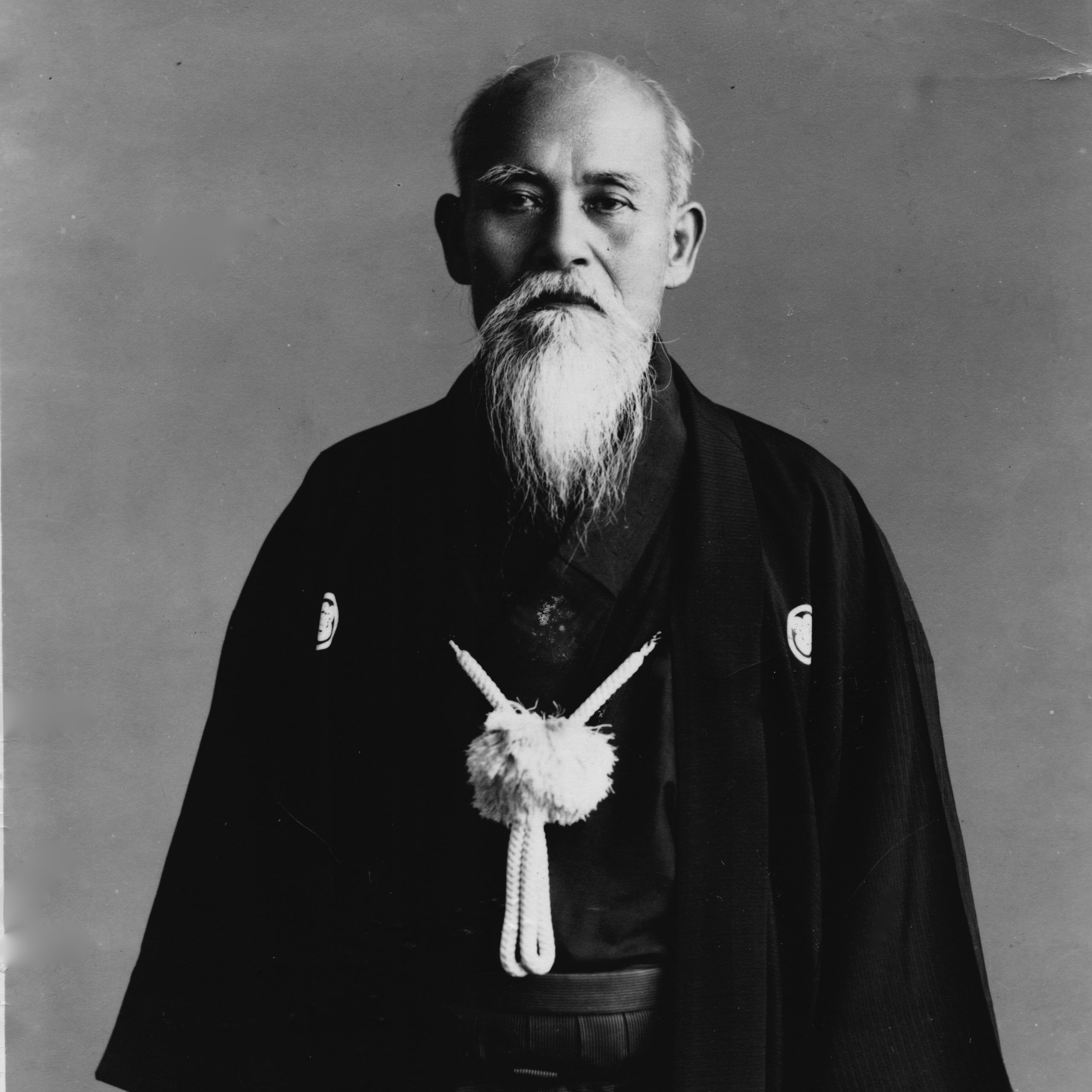
If you go around looking for trouble, it will often find you. I particularly like your driving examples. In the original context of hand to hand combat it also applies. “Looking for a fight” is a well recognized behavior. Its opposite is also well recognized and predators will take advantage of it. Being ready but not eager is more subtle. I like the story of the pickpocket O Sensei captured on the subway. O Sensei said nothing but just wouldn’t release his misplaced hand…
“Avoid a falling rock. Run in the premonition of danger. Never act recklessly. Water flows to lower place.” This saying, attributed to Gozo Shioda of the Yoshinkan, surely reflects the mature attitude all Budoka but especially Aikido deshi should have. Even first responders and the military can maintain this attitude when entering into the dangerous situations that the rest of us can avoid.
Pranin-sensei is right. Courtesy and kindness are two of the most powerful weapons in anyone’s arsenal. If you employ them in daily life as external weapons, you find yourself in collectives of people that are generous, warm, and creative. You also are able to discover the ignorance and dark intentions of others faster by being courteous. Some people think that it is a sign of weakness to be exploited, but being a kind individual rarely equates to foolishness. What’s more, if you are courteous you can avoid the burden that comes from being nasty to people or the unconscious suspicion that you deserve hardship (or for that matter, that the cause of life’s challenges is your own attitude). “No one can resist non-resistance!”–Rinjiro Shirata Shihan
John Stevens writes of an incident in which O-Sensei and some deshi accidentally wandered into a farmer’s field. The farmer approached them cursing and yelling. Did O-Sensei kick his butt? Did he yell back? No, the descendant of samurai whose friends and acquaintances included some of the most powerful men in Asia profusely apologized and humbly backed away……