
 Josh Gold
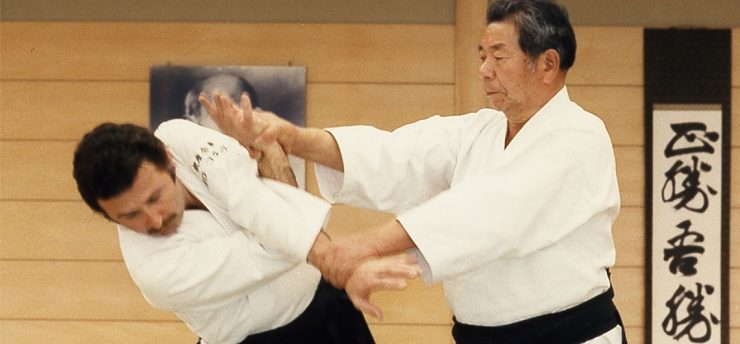
The text below has been edited from a conversation I had with Paolo Corallini on April 11, 2016 in Gothenburg, Sweden. Paolo was one of Morihiro Saito’s closest European students and contributed in many ways to preserving Saito Sensei’s legacy. Saito Sensei, 9th dan, is well-known to most of today’s practitioners of the art as one of aikido’s greatest technicians.
During our conversation, Paolo described the circumstances of the filming of a private video of Saito Sensei performing an amazing 230 taijutsu (empty-handed) techniques in June 1992 while in Italy. I don’t know of any similar visual record of aikido techniques so perfectly organized and so vast in scope. I am quite sure that Morihiro Saito is the only person who could have managed such a feat. This precious film legacy will soon be released through Aikido Journal thanks to the generosity of Paolo Corallini, a full 26 years after being recorded.
Here in Paolo Corallini’s words are his recollections of the events surrounding the making of this remarkable video. – Stanley Pranin
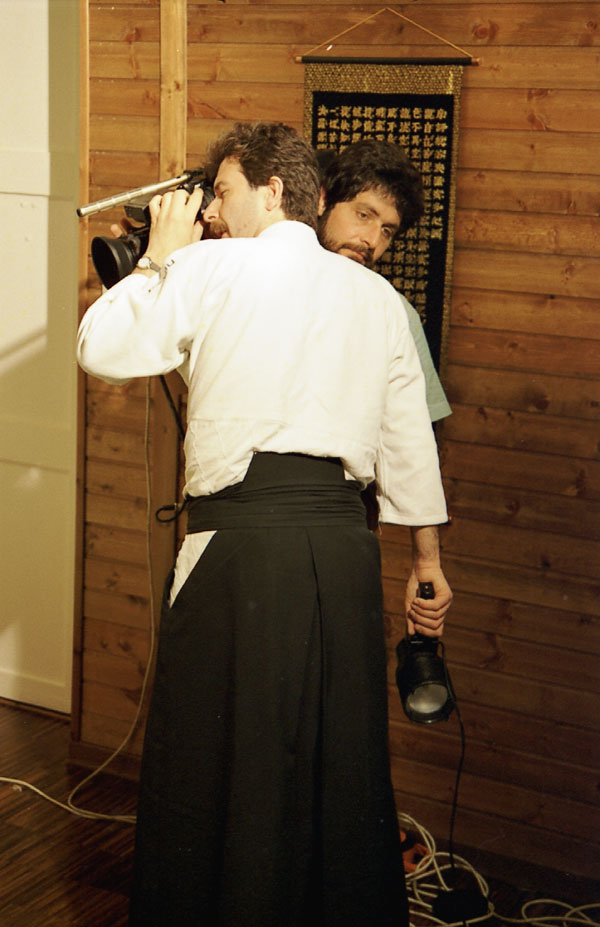
I asked Saito Sensei if it would be possible to videotape the Iwama aikido curriculum. Saito Sensei happily agreed to the idea. So I asked a friend of mine who was a professional cameraman to produce a video that would stand as an authoritative document on Iwama aikido.
I reserved the Palasport di Jesi which had a small dojo that had been set up for our aikido school. We first went with the cameraman to prepare the lights, and then the next day we accompanied Saito Sensei to the venue to make the video recording.
The project took three days to realize including the preparations, filming, and the organization of the materials with the cameraman.
I don’t know how Saito Sensei prepared himself beforehand. In any event, when we went to the dojo he knew exactly what he was going to demonstrate. He was really a “war machine”!
Saito Sensei began performing all of the important basic techniques in sequence. His demonstrations were clear and spontaneous. I think it was then that I understood the concept of the Founder’s “Takemusu Aiki” where techniques appear spontaneously — without hesitation — in an amazingly natural way.
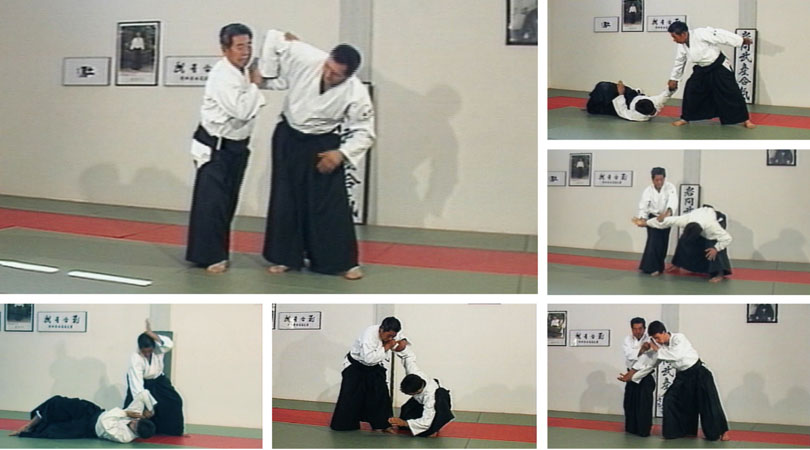
I remember Saito Sensei demonstrating more than 456 techniques. I don’t know how many were actually included in the final edit. Perhaps some of them were deleted. I honestly don’t know if the cameraman edited some of them out. Not knowing how precious some of the techniques were, he may have deleted some during the editing phase.
I hope not, but it’s possible that happened. You’ve really made me think about it. Perhaps another copy exists without the edits.
You asked me if Sensei had prepared notes for the filming. I didn’t notice anything for the taijutsu techniques. However, I do remember him making a diagram of the Aiki Ken and Jo forms with a felt pen when we were in the Osimo Dojo.
Sensei asked me to give him a pen and he wrote down what I today consider to be the “Ten Commandments” of aikido’s bukiwaza, the weapon forms. He drew a diagram of the 31-jo kata including the kumijo and notes. As Sensei wrote in Japanese without explanations, I couldn’t understand of all of the relationships.
Saito Sensei was very pleased about the project. Actually, I recall — thanks to your [Stanley’s] translations — that he was amazed at all of the attention he was receiving to document aikido techniques in such detail. I don’t think some of these things could even have been imagined without the role you played, especially during those first years. I think that these projects were born out of our ideas, the two of us.
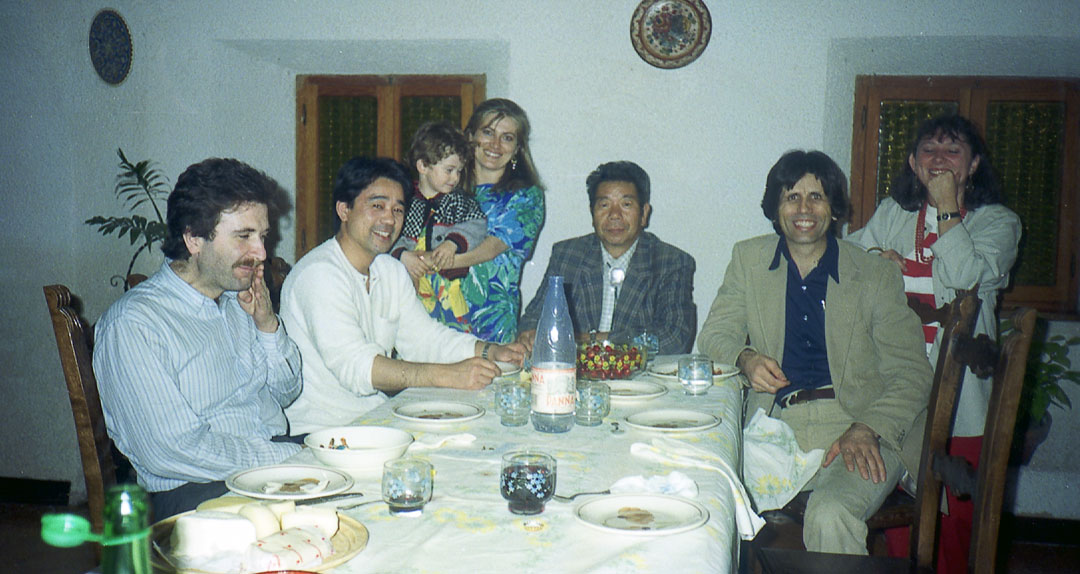
I think he was so far above us that he didn’t think of practical things. I really don’t know how many things would have been accomplished had it not been for your initiatives. I contributed what little I could out of the love I felt toward him. Perhaps the years would have passed without him realizing his importance in history. Great people in general don’t realize their greatness.
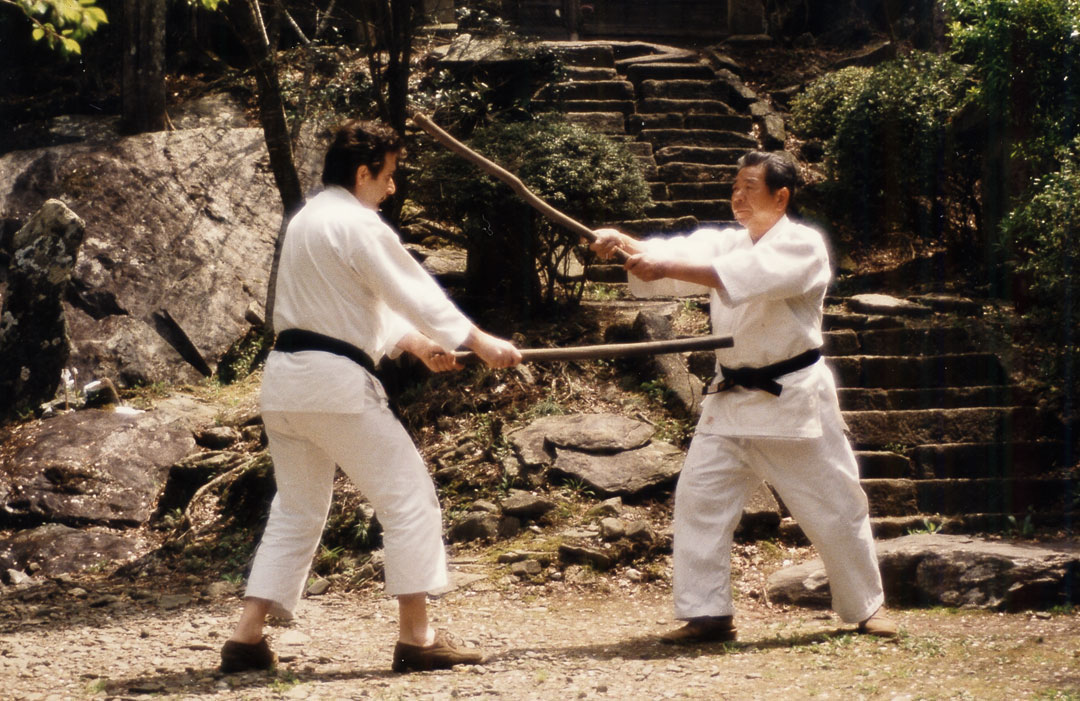
I think that Saito Sensei was always surrounded by people who didn’t dare to ask for information. But I had the courage to do so, not out of pride, but out of a thirst for learning.
I felt that I was in the presence of a god, and if I didn’t take advantage of the opportunity to ask him for information while I was in the presence of the source, who would ask him?
Saito Sensei was aware of this. Very often he would ask me, “Paolo-san, do you have any questions?” And I did ask him questions.
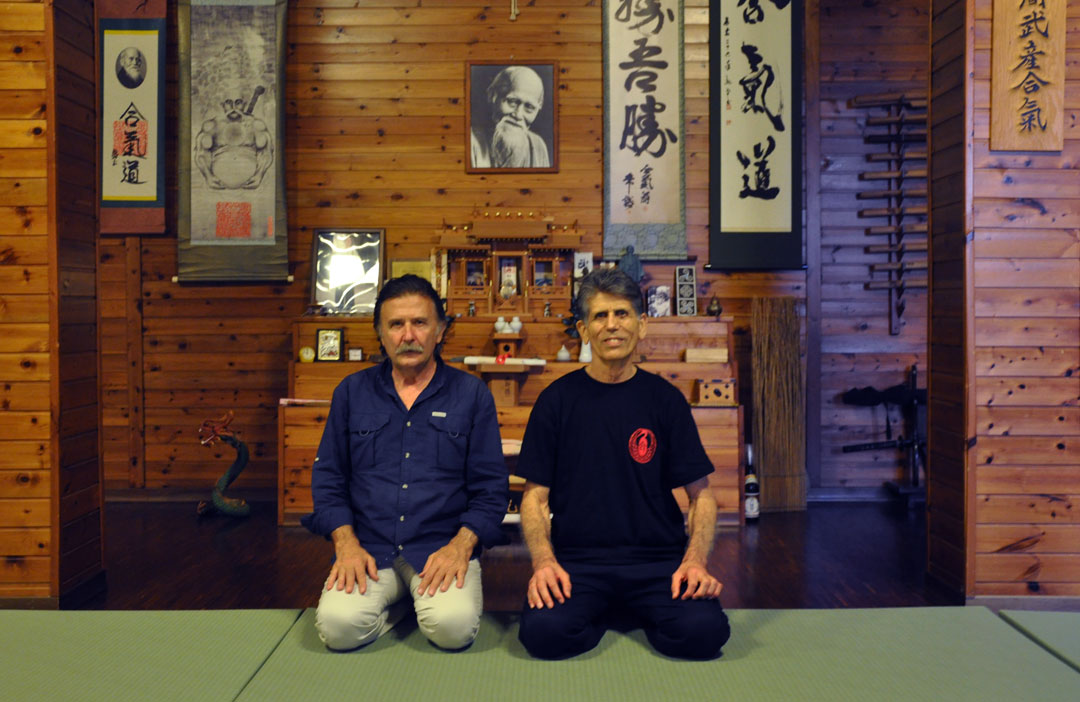
I believe I made, or at least attempted to make, a small contribution by encouraging him to do certain things. Perhaps otherwise by nature he would have continued in his daily life without ever having done them.




Molto Bravo! Grazie Mille Corallini Sensei! OSSU!
An invaluable legacy, especially for those not fortunate enough to have trained with Saito Sensei directly.
One thing to consider is that the material demonstrated is not an all inclusive encyclopedia of possible techniques. Personally I was around for a couple classes in which things were shown which I never saw before and have never since. Explore. With caution. There are obviously more moves out there than moves which reliably work.
These 230 techniques have been added to the hundreds already contained in Morihiro Saito’s “Complete Guide to Aikido”. It is by far the most comprehensive aikido technical reference in existence. Stay tuned!