
 Josh Gold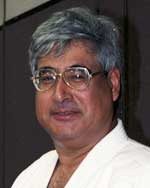
“These folk attempt to use their powers of Ki extension to guide the innocent, protect the vulnerable, and to effect real changes for the common good.”
In Japanese, the word “intention” may be “ikou” or “ishi.” This may simply describe a simple purpose or wish, or it could represent a firm and resolute desire for a specific result or goal. It may remain a wish, or be transformed by action.
The Japanese word “Ki” may be translated and used in a myriad of ways, from the simplistic to the intricately convoluted. `Most people accept a translation of “mind, intention, or purpose”. If so, this may become a trap for the uninitiated, as the Japanese language is not necessarily “user friendly,” nor primarily intended to convey reasoned ideas or authenticated information, but to buttress the underpinnings of Japanese societal structure, to cement the need for conformity from all classes within society, and to enforce clear and often strict standards of social behavior, and their uncompromising compliance from all affected and involved.
The power of Ki applied with intent, may well function similarly to a wave of impulse energy, for example, a tsunami event. The difference may well be that, while a tsunami may be mindless as to its agenda, the will to purposely apply Ki energy actually serves as the mindful vehicle to facilitate the true intent and agenda of the one who decides to act with a specific purpose. The stronger the exercise of such a will, the more impact it will have on those on whom it is exercised, including the one exercising this activity.
Most instances of someone utilizing his or her “KI”, appears to be mainly occurring for the purpose of confidently demonstrating some ability to impress, or to be acting out some closely held comviction. It usually follows that such an activity will not necessarily validate or substantiate any proven principle of Aiki, or end up with any meaningful or a result oriented purpose.
There may, all too often, exist a hidden agenda to unduly influence the minds and behavior of others. If so, much will depend on the skill of those who try to manipulate others, vs. the vulnerability and gullibility of the target group. It is then incumbent on all of us not to be so easily seduced or co-opted by such behavior. Training with intent and purpose can go a long way in this regard.
Then again, we also have positive examples of individuals of good character, demonstrating high integrity, and displaying a benevolent vision. These folk attempt to use their powers of Ki extension to guide the innocent, protect the vulnerable, and to effect real changes for the common good. Human history is replete with such great examples of applied genius for good, in sad contrast to the dark examples of tyrants, monsters and the tragic and fatally flawed individuals smitten with misguided passion and delusions of entitlement.
To be totally truthful, I have yet to witness a single example where the spontaneous application of “Ki Power” was successfully used in a genuine martial situation. The surplus glut of blogs from all levels of proclaimed credibility also fail to confirm any history of such verified episodes. It does not necessarily mean that it cannot happen, or that it has never ever happened. The fact that we have yet to land humans on Mars, does not contradict the hopeful goal that some day we might. Final proof will require mankind’s patience, as all things destined to be, can only happen when it is their time. When will we realize and accept that it is not our “right of entitlement” to expect or demand that Nature agree with us, and to naturally comply.
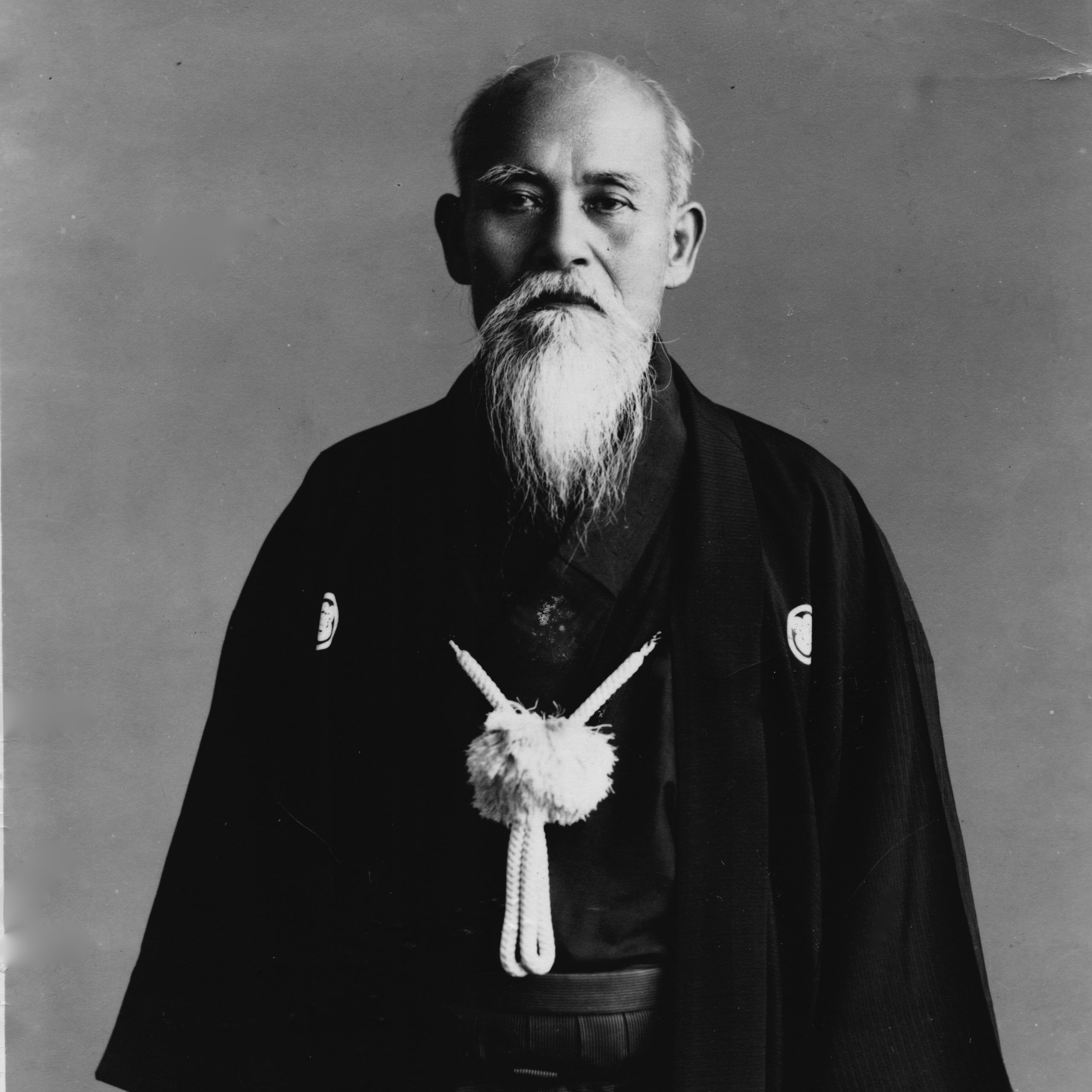
While the old films of the Founder of Aikido remain eminently impressive, I, and others who would wish to be “dueling with O Sensei” — great read by Ellis Amdur by the way — can only dream and speculate of how it would be to act as first hand witnesses, and to immeasurably benefit from such an experience.
I, for one, will never know for sure, nor do I need to. It has never been vital in my appreciation of the examples of the Founder’s vision and teachings to actually emulate and duplicate the feats he was credited with performing. What others may do with their gifts can never logically or appropriately predict what any other person would do with their own. They must be allowed to stand on their own merits, and an arbitrary values applied by others just do not apply.
To repeat, a tsunami’s energy does not have, as its purpose, the displacement of water, or of any objects in its path. Rather, it simply occurs as a true force of nature, mindless of all other considerations in its appearance, and its impact. There simply is no “good” or “bad”, “significant” or “insignificant” dimension to its intrinsic identity. Questions of morality or ethical judgement have no true meaning to a tsunami. It is what it is.
It is when we humans attempt to “color”, “describe”, “qualify”, or “explain” what happens in Nature, that such questionable notions of morality, ethics, and the vague attributions of “good and evil” come into consideration. Such conclusions may very well happen when judgment is arrived at without the necessary due diligence of sufficient study, carefully reasoned thought, and of any time tested understanding that comes with its own set of knowledge, proof, and of timing.
“Mushin no shin” is a phrase that describes a mental state of “ Mind of No Mind”, or of being devoid of intention or of conscious purpose. Supposedly, being in this state of “mindlessness”, an accurate reflection of the factual reality encountered can be more fully appreciated and understood by the sincere student of the Way of Aiki. This may simply mean that the student is willing to yield to and embrace the realities of the moment, to humbly accept the lessons thus received without any need for arbitrary judgment, or for any ill conceived intent, or an ego driven purpose.
The traditional methods of learning from the old masters of the past involved an almost blind trust in the value of the lessons given, of simply being mindful from repeated practice of the lessons received, persevering until understanding finally resulted from one’s own uncompromising persistence and hard work.
Today, the Aikido of the Founder appears no closer to comprehensive discovery than when his ardent, and amazingly talented disciples attempted to assimilate and incorporate all that they had learned directly from the Founder’s hand. This should not be regarded as a dilemna, but rather to illuminate as to how huge a task was the work that the Founder was actually working on. Excellent research by our indispensible mentors such as Stanley Pranin, Professor Peter A. Goldsbury, and those authors the names I fail to credit and to name, all promise a wealth of new knowledge and understanding in the years to come. We can do our part by supporting their work, and by utilizing their discoveries.
Like the Founder, we have to first take inventory of our own set of abilities and resources, and then carefully and appropriately fashion a lifelong agenda of training, research and interaction with peers of our choosing. In order to successfully create our own versions of Aikido, we must embrace this revised notion of true competition, not against one another, but for the constant expansion of new knowledge, and for game changing epiphanies.
Perhaps before envisioning the teaching techniques we can use today, we must first develop an accurate appreciation of the mind sets back then, where reasoned dissent and group discussions were simply not valued or tolerated. Shut up and train was the norm, and the attributes of obedience, loyalty and of accepting one’s position in society were most valued by the seniors of the day.
By recognizing that today’s avid students may require more “hands on” treatment, of individual guidance, and a kinder, compassionate support for their developing psyches, we can succeed in helping them fashion a strong foundation of self confidence, positive self imagery, and appreciation and mastery of the new tools for research, discovery and for effective training.
Then again, some of us may want to retain an “old school” attitude, that arbitrarily sets the bar as high as possible, seeking out and accepting only the most serious and dedicated of students, to make the arduous journey with us. This is probably an “elitist” notion, but organizations and societies throughout human history, have consistently found a way to create such subdivisions of super motivated, dangerously talented, and single minded corps of true believers to protect the essence of their core beliefs and standards of proficiency.
Finally, what we individually decide to do for ourselves and our students, must be vigorously maintained by honest self scrutiny, diligent daily training, and an avowed commitment to an open minded search for new growth and truth.
On our journey to faithfully fulfill our individual visions, missions and goals, let us not forget to respect and honor those same values in others. Let us include senseless acts of beauty and random acts of kindness in our daily activities, both for ourselves, and for those we meet. Is this not the Way of Aiki?
Contact Aikido Academy USA






Thank you Takahashi Sensei for another excellent article, your articles are a complement to our daily training, the food for our mind, our training should not be only physically, our brain should also do some activities.
I think that ki is everywhere in nature. To put power in our aikido technique we need a lot of things working together, the most important are: intention, right breathing, using our body as a unit all together right to the center of the attacker, using the correct angles and right timing.
Aikido is such a wonderful art! The Art of Peace is truly better than The Art of War! Training in Aikido can feel so good, especially when it causes one to sweat profusely! Lololol.