
 Josh Gold
Osaka vs. Irvine
As a dojo, our history begins in Osaka, Japan 1976. This is the time our Chief Instructor, Haruo Matsuoka Sensei, began his aikido journey. Forty years later, we decided to take a brief look back at the practice from the Osaka era and reflect on how it has influenced our training at Ikazuchi Dojo today. We’ve made a clear evolutionary departure from those times, but a number of elements are still in our DNA.
A Technical Transformation
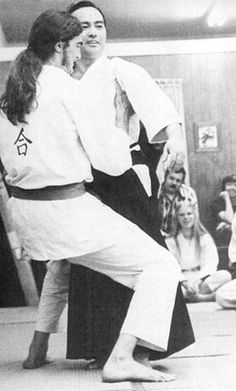
In the 1970’s Seagal Sensei transitioned from Ki Society style movements to a radically different style of aikido. Matsuoka Sensei was an integral part of this technical transformation in the early days of his aikido training.
You can learn more about this in Matsuoka Sensei’s Aikido Journey if you’ve not read the interview yet.
What’s the same:
Today at Ikazuchi Dojo, we still use many of the foundational elements of techniques practiced in the Osaka era.
- Hand movements: A mature and flexible system of deflections.
- Powerful, direct, techniques: We practice ki-no-nagare (flow) movements as a training tool, but weight our technique practice to focus on more simple, direct forms.
- Tools to deal with punches and kicks: We spend much of our time focused on grab techniques to emphasize balance breaking through a single point of contact. However, we actively practice techniques that can answer punch and kick attacks.
What’s changed:
Subtle but important technical changes that increase power and effectiveness through use of body structure.
- Greater ability to manage hard grabs and active resistance. Less reliance on speed for success.
- More adaptive techniques: Seagal Sensei is 6’4″. Many of the movements utilized in the Osaka era were designed for a nage with a reach advantage. We’ve found some of these techniques start to break down when the attacker has equal or greater reach. We’ve made progress in developing technical modifications and alternatives for dealing with height and size differentials.
- Less focus on highly complex combinations, more focus on movement quality and flexible technique application.
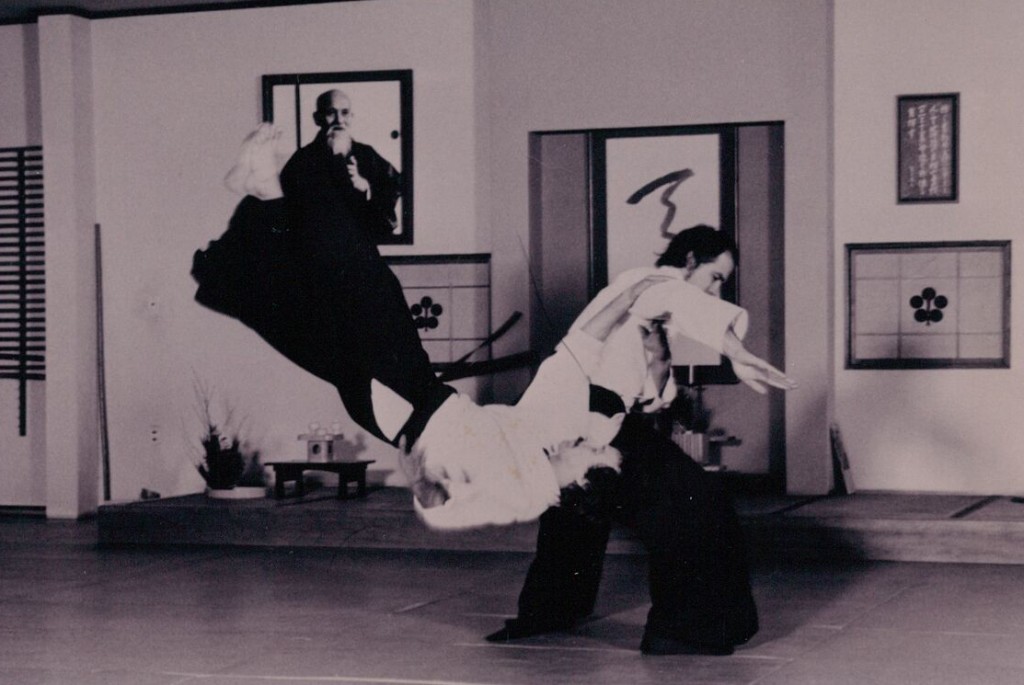
Randori Culture
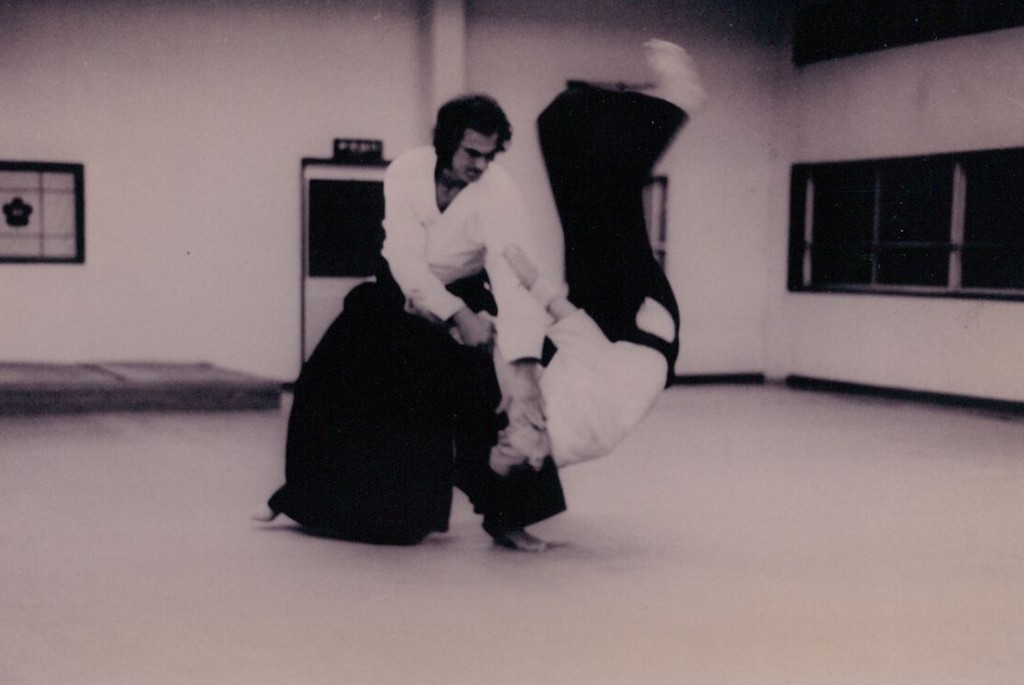
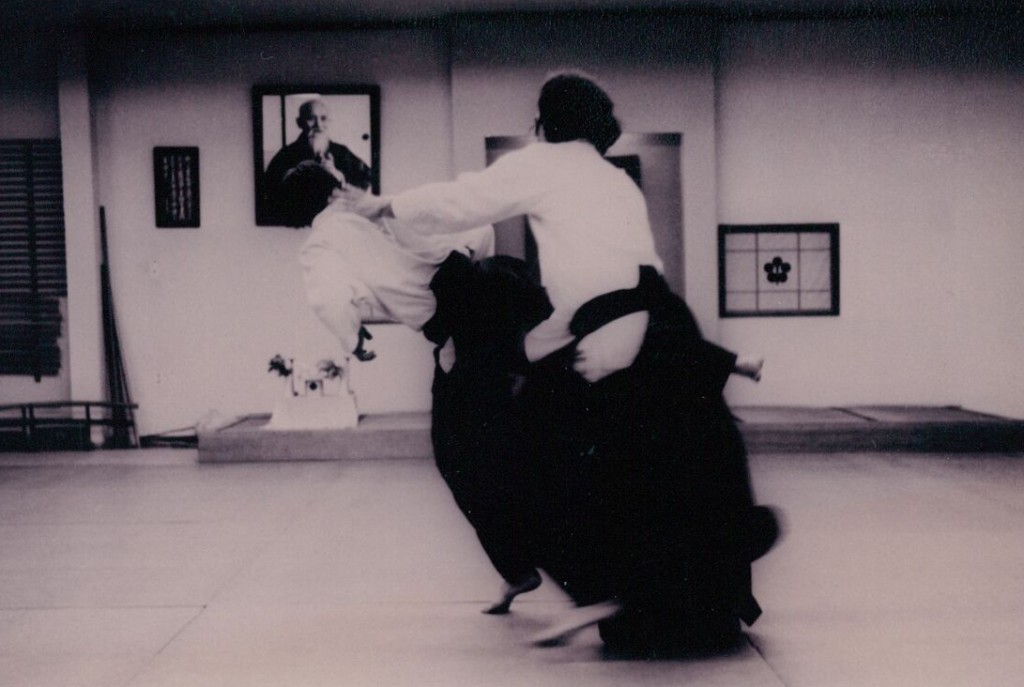
The style of randori we practice today at Ikazuchi Dojo has its foundations in the Osaka era randori culture. We think this style of randori is an excellent training method for developing subconscious opportunity recognition (openings to throw or evade) and technique execution. Being able to move, position, and respond flexibly in a high pressure, complex environment really shows how much you’ve internalized your aikido.
What’s the same:
- Fast, dynamic, attacks. Uke’s don’t wait for nage to be ready for an attack. If the nage leaves their back exposed, uke takes the opening. Practice is constrained to grab attacks.
- Requires high level ukemi skill to protect ukes and nage in this type of practice.
- Intense and demanding of a calm, focused presence.
What’s different:
- Better instructional system with more consistent student development.
- Focus on use of body structure to create movement advantage.
- More progressive and safer training methods.
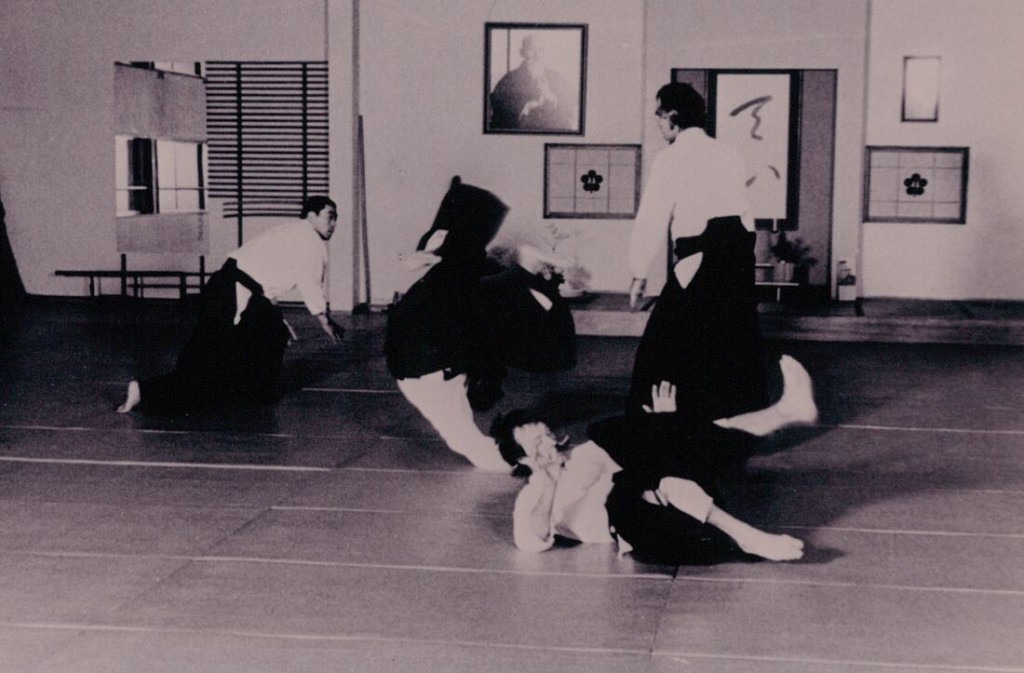
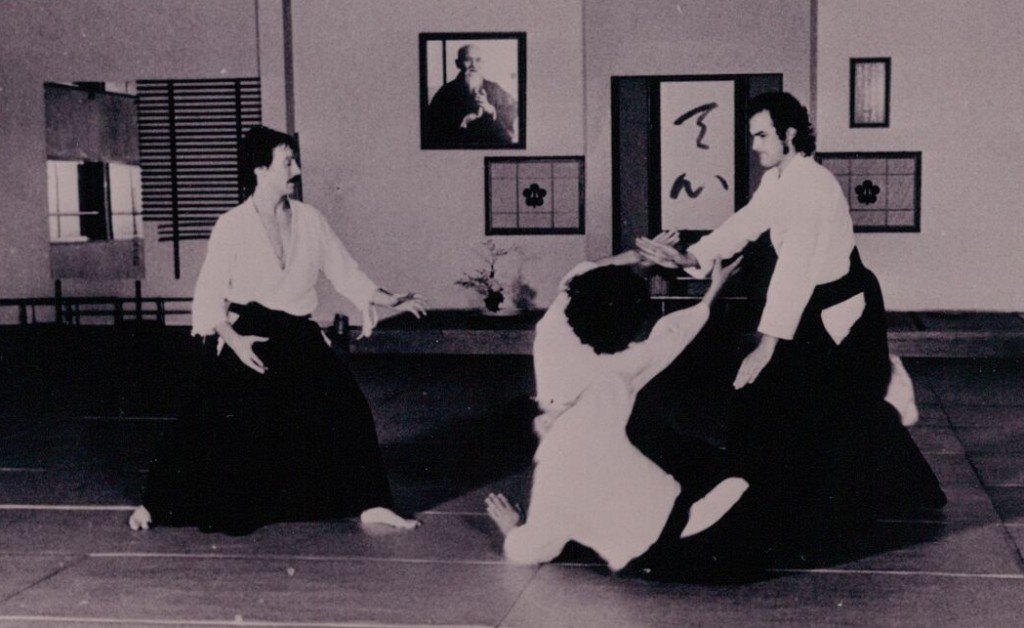
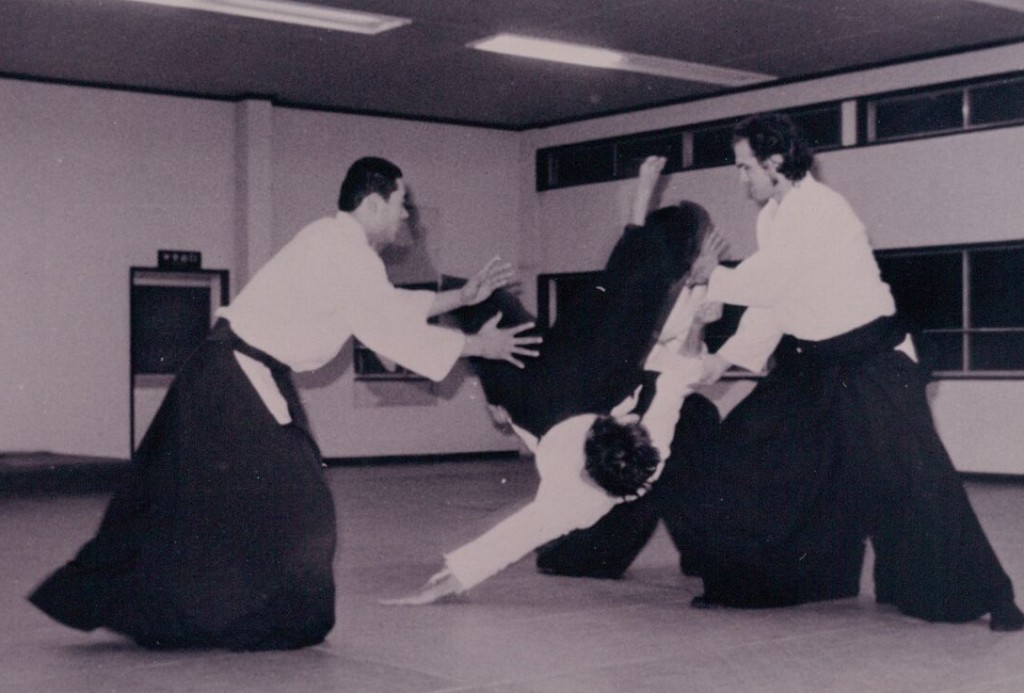
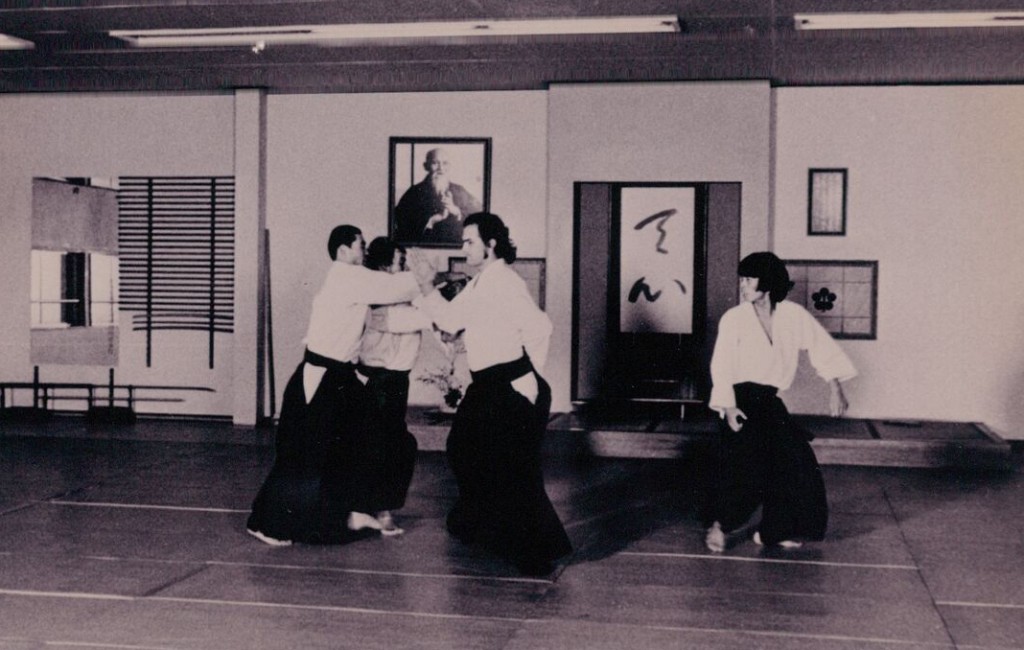
Matsuoka Sensei at Ikazuchi Dojo, showing hand movement evasions vs. two attackers. The basic movement forms are influenced by the Osaka era but have become increasingly efficient, powerful, and refined over the years.
As always, thank you for reading and supporting our efforts.
Our thanks to Josh Gold for contributing this timely article. The original article is hosted at the Ikazuki Dojo website.

 Antonio Aloia




Add comment